The construction industry keeps evolving with modern technologies. To reduce costs and improve efficiency, homeowners must stay updated with these new methods. One such innovative solution making waves in recent years is interlocking brick technology.
This system allows builders to construct walls without cement mortar and often without plastering. Interestingly, the concept isn’t entirely new — even ancient civilizations such as Harappa used a similar locking system in their structures. In the past few years, interlocking bricks have become popular across India due to their eco-friendly nature, lower costs, and faster construction speed.
Let’s explore what interlocking bricks are, how they’re made, their benefits, drawbacks, prices, and where they work best.
What Are Interlocking Bricks?
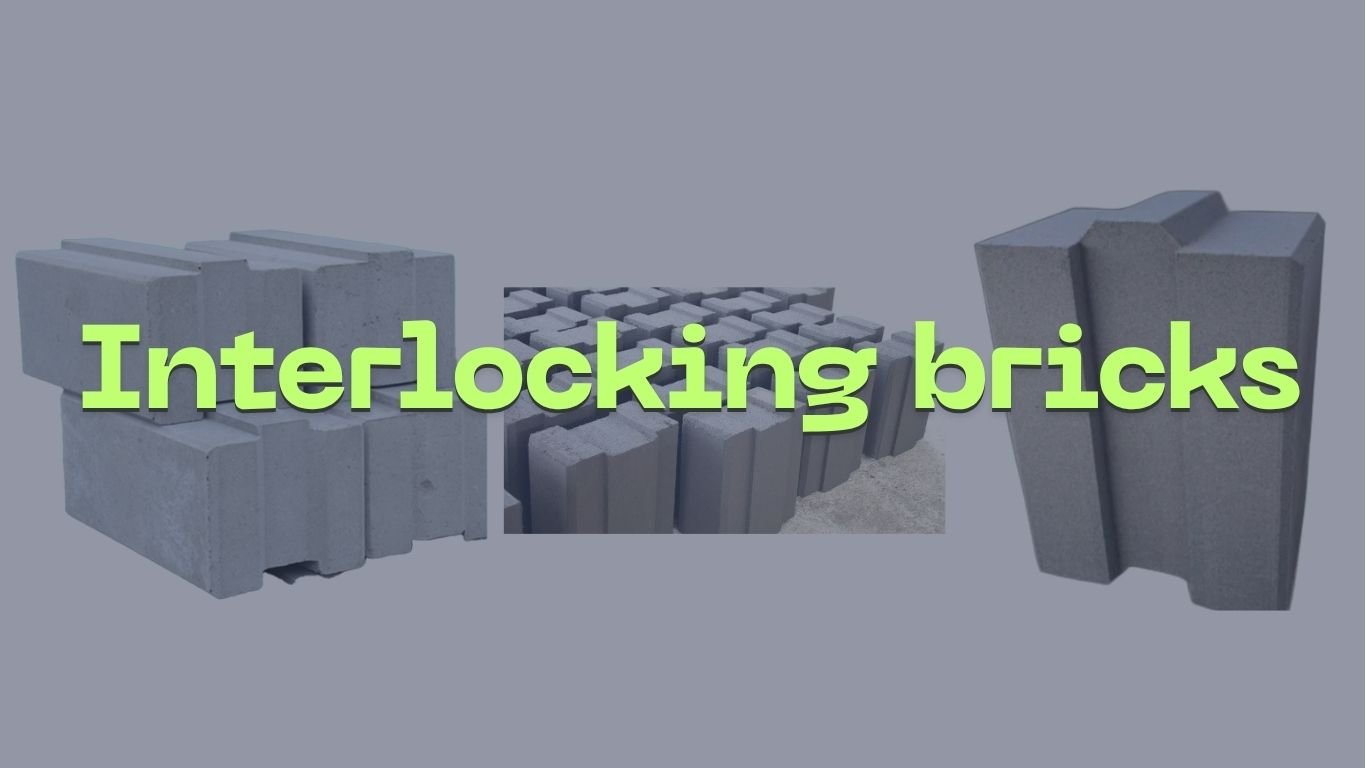
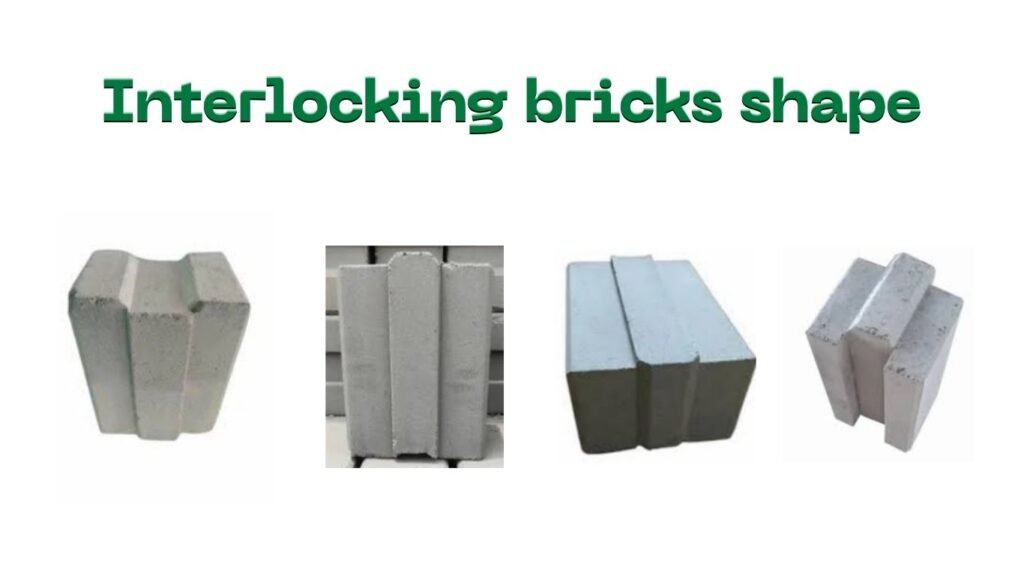
Traditional red bricks are plain rectangles that need cement mortar for bonding. Interlocking bricks, on the other hand, come with a special groove and projection design.
- One side of the brick features a projection (male part).
- The opposite side contains a groove (female part).
When these bricks are stacked, the shapes fit snugly, locking them together. This mechanical lock eliminates the need for mortar between layers. The concept is similar to the interlocking paver blocks you might have seen on pavements or driveways.
This locking system enhances wall strength while reducing material usage — making construction quicker and cleaner.
How Are Interlocking Bricks Made?
Manufacturers prepare these bricks using a mix of soil, cement, robo sand, stone chips, and water. The proportion of materials depends on the brick type:
- Mud interlocking bricks: 80% soil and 10–20% cement.
- Cement interlocking bricks: a higher cement-to-sand ratio for greater strength.
After mixing, the material passes through a hydraulic press machine that applies heavy pressure from all directions. This compression process gives the brick high density and strength.
The pressed bricks undergo water curing for 7–14 days before being sold. Each brick typically weighs between 10 and 15 kilograms, which adds to its durability.
Construction Process Using Interlocking Bricks
Constructing with interlocking bricks is simple and systematic.
- Level the base: Use cement mortar only for the first layer to ensure proper leveling and bonding with the foundation.
- Stack the bricks: Place one brick over another, aligning grooves and projections to form the interlock.
- Add beams: After every 7 feet of wall height, install a reinforced concrete beam for stability.
- Grout the joints: Fill small gaps with cement paste for sealing.
- Handle utilities: Electrical and plumbing channels can be easily cut without damaging the wall.
Because the system eliminates mortar and plastering, projects finish faster and require less supervision.
Advantages of Interlocking Bricks
1. Strong and Durable
Hydraulic pressure during manufacturing gives these bricks high compressive strength.
- Mud-based bricks achieve around 5 N/mm².
- Cement-based bricks reach 7 N/mm².
They perform better than many conventional red bricks under similar conditions.
2. Saves Time and Cost
Builders can save both material and labour costs since no mortar or plastering is required. Additionally, the reduced curing time speeds up the entire process. Together, these benefits can lower total construction costs by 15–25%.
3. Reusable
The bricks can be disassembled and reused for new structures without losing shape or quality. This reusability makes them ideal for temporary buildings or site offices.
4. Eco-Friendly
Unlike traditional red bricks, interlocking bricks are not burnt in kilns. This process reduces air pollution and carbon emissions, supporting sustainable construction.
5. Requires Less Skilled Labour
The process is straightforward. Workers can place bricks accurately with minimal training, reducing dependence on highly skilled masons.
6. Low Wastage
The bricks’ precision design ensures minimal material loss during handling or construction.
7. Natural Insulation
Interlocking bricks offer excellent thermal and sound insulation. Homes built with them stay cooler in summer and quieter in noisy surroundings.
Disadvantages of Interlocking Bricks
While the advantages are impressive, interlocking bricks also have certain drawbacks that homeowners should consider before construction.
1. Water Leakage
Because walls usually remain unplastered, water may seep through joints during heavy rains. Though grouting helps, it might not make the wall fully waterproof. Applying a thin waterproof coating on the outer surface can minimize leakage problems.
2. Limited Availability
Interlocking bricks are still not available in all regions. Builders in remote areas may face higher transport costs and longer delivery times.
3. Not Suitable for Tall Buildings
These bricks are ideal for low-rise structures such as single or double-storey homes, compound walls, or small buildings. High-rise constructions still rely on conventional reinforced systems for safety and stability.
Price and Cost Comparison
Interlocking bricks come in various sizes, such as 12x9x5 inches, 10x8x5 inches, and 8x6x5 inches. Depending on size, quality, and location, prices range from ₹50 to ₹65 per brick.
Although the price per brick may appear higher than that of red bricks, the overall savings in plastering, cement, and labour make them more affordable in the long run. On average, builders can save 10–20% of total project costs using interlocking technology.
Best Uses of Interlocking Bricks
Interlocking bricks suit many practical applications, including:
- Quick house construction where time is limited.
- Areas with water scarcity, since minimal curing is required.
- Temporary or movable structures that can later be dismantled.
- Compound walls, farmhouses, and outdoor washrooms.
However, for main exterior walls exposed to heavy rain, using a waterproof coating or partial plastering is advisable.
Conclusion
Interlocking bricks represent a modern, eco-friendly, and cost-efficient solution for today’s construction needs. They offer impressive strength, reduce building time, and promote sustainable practices.
For small houses, compound walls, or temporary projects, these bricks can be a perfect fit. Before using them for main structures, always evaluate your site conditions and discuss with your structural engineer.
By adopting interlocking bricks, you can build faster, smarter, and greener — creating homes that last longer and cost less.
If you found this article helpful, share it with others who plan to build their dream home sustainably.
Frequently Asked Questions (FAQs)
1. Are interlocking bricks waterproof?
Not completely. They resist light rain, but heavy rainfall may cause seepage. A waterproof coating can help prevent leaks.
2. How long do interlocking bricks last?
When properly maintained, they can last 50+ years — similar to conventional masonry.
3. Can interlocking bricks be used for high-rise buildings?
No, they are best suited for low-rise structures up to two floors.
4. Do interlocking bricks reduce heat inside the house?
Yes. The air gaps and dense composition act as natural insulators, keeping rooms cooler.
5. What is the cost difference compared to red bricks?
Even though interlocking bricks cost slightly more per piece, the overall construction cost drops by 15–20% because you save on cement, sand, and labour.



3 thoughts on “Interlocking Bricks – The Future of House Construction in India”