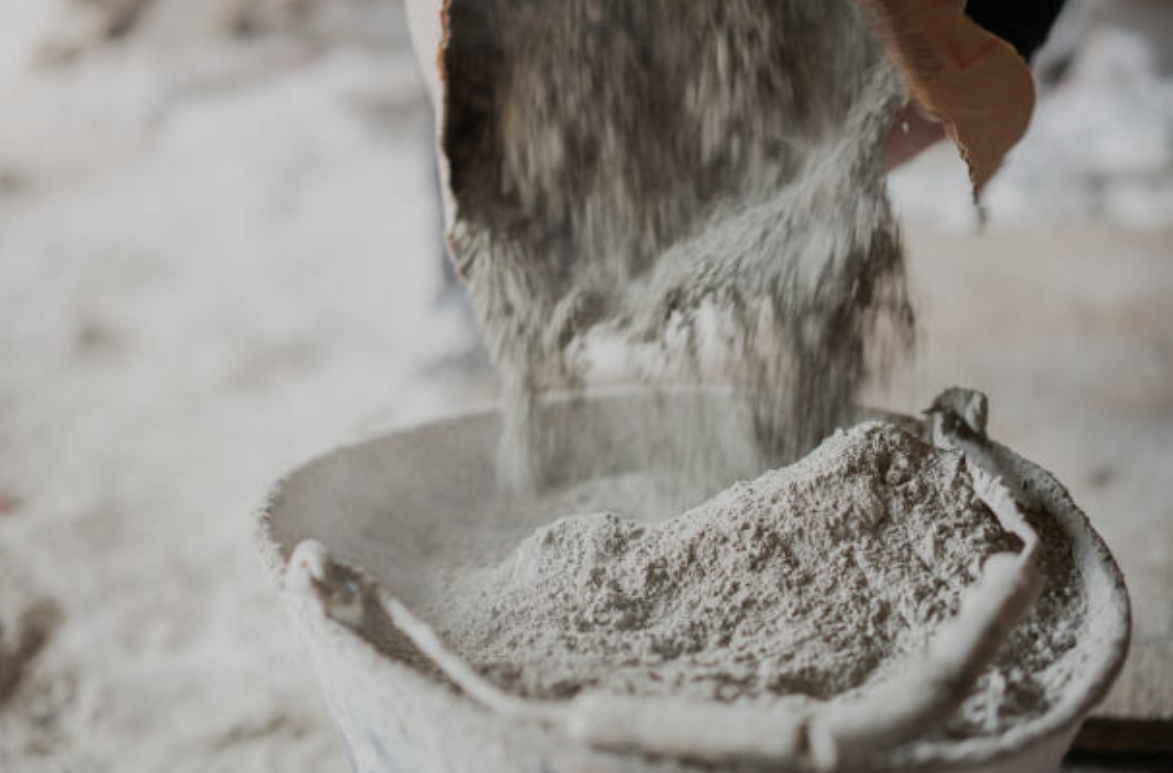

Cement is the backbone of every construction project — from your home’s foundation to its roof. It plays a key role in determining the strength, durability, and life span of a building. If the cement used is of poor quality, it can weaken the entire structure and cause cracks or damage over time.
So before you start any construction work, it’s essential to check whether the cement you’re using is fresh and high quality.
The good news? You don’t need any special tools or lab setup for that.
Here are 6 simple and practical ways to check cement quality at home using just your hands, eyes, and basic observation.
1. Temperature Test – Feel the Freshness
Open the cement bag and insert your hand inside.
- If the cement feels cool to touch, that’s a good sign. It means the cement is fresh and hasn’t absorbed moisture.
- If it feels warm, it’s a red flag. Warmth indicates that the cement has come into contact with moisture or might even be close to expiry.
Why it matters: Moisture reduces the strength of cement by starting premature hydration inside the bag. Using such cement can compromise your building’s strength.
2. Color Test – Observe the Shade
A simple yet powerful way to judge cement quality is by checking its color.
- Good quality cement has a uniform grey color with a slight greenish shade.
- Poor quality cement shows uneven shades — patches of light and dark grey — indicating improper mixing during manufacturing.
Why it matters: Consistent color means proper mixing and uniform composition, which ensures strong bonding when used in construction.
3. Texture Test – Feel the Smoothness
Take a pinch of cement and rub it gently between your fingers.
- Good quality cement feels smooth and fine.
- Poor quality cement feels rough or grainy, indicating the presence of excess sand or impurities.
Why it matters: The finer the cement, the stronger the binding. Rough texture means larger particles, which reduce the surface area and bonding capacity.
4. Float Test – The Water Check
Take a glass of clean water and drop a small pinch of cement into it.
- High-quality cement will float for 10–15 seconds and then slowly sink to the bottom.
- Low-quality cement will either sink instantly or keep floating on the surface.
Why it matters: This test checks the density and composition of cement. Proper cement has the right weight and fineness to allow a balanced float-and-sink behavior.
5. Lump Test – Check for Clumps
When you open a cement bag, always check if there are any hard lumps inside.
- If you find lumps, it means the cement has absorbed moisture from the air.
- Such cement has already started setting and loses its strength even before mixing.
Why it matters: Lumpy cement indicates that chemical reactions have begun inside the bag, making it unsuitable for construction use.
6. Setting Test – The Final Confirmation
This one is a bit time-consuming but gives a clear idea about the cement’s quality.
- Take a small quantity of cement and mix it with water to form a thick paste.
- Place this paste on a flat plate or tile and keep it submerged in water for 24 hours.
- After 24 hours, observe the sample:
- If cracks appear, it’s poor quality cement.
- If no cracks are visible, the cement is good and has proper setting strength.
Why it matters: The setting test checks whether the cement can harden uniformly and resist cracking under moisture — a critical factor for durability.
Why Checking Cement Quality Is Important
Poor-quality cement can affect your entire construction project in multiple ways:
- Reduced compressive strength of concrete
- Cracks and dampness in walls and ceilings
- Shorter building lifespan
- Increased maintenance and repair costs
Since cement forms the base for plastering, flooring, and concrete structures, one wrong bag can literally weaken your home’s foundation.
Bonus Tips to Maintain Cement Quality
- Always check the manufacturing date before buying. Use cement within 90 days of its manufacture.
- Store cement bags in a dry, ventilated area away from moisture.
- Keep bags on wooden planks instead of directly on the floor.
- Avoid stacking too many bags together — it increases compaction and heat.
- Always purchase from authorized dealers to ensure genuine quality.
FAQs About Cement Quality
1. What is the ideal color of good quality cement?
Good quality cement usually has a uniform grey color with a slight greenish tint. Color variations can indicate impurities or uneven mixing.
2. Can I use cement that has small lumps?
No. Lumps are signs of moisture exposure. Even small lumps mean that the cement’s strength has already started degrading.
3. How long can cement be stored?
Cement should ideally be used within 3 months (90 days) from the manufacturing date. After that, its binding strength gradually decreases.
4. Why does cement feel warm sometimes?
Warm cement indicates moisture contact, which triggers partial chemical reactions (hydration). Such cement becomes weak and should not be used.
5. Which is better — older cement brand or fresh stock from a new one?
Always go for fresh stock, regardless of brand. Even a reputed brand loses quality if stored for too long or in damp conditions.
Final Thoughts
Checking cement quality at home is simple yet crucial.
You don’t need fancy machines — just your senses and awareness.
Before you trust the label on the bag, trust your own hands.
A few minutes of testing can save your house from years of structural problems.
Strong foundation starts with strong cement.
So, next time before construction begins — test it, don’t just trust it! 💪