
Color can completely change the way a home feels.
You might have the perfect furniture, lighting, and design — but if the walls feel cold or dull, the entire space loses its charm.
That’s because color does more than decorate a room. It sets the mood, affects how big or cozy it feels, and even changes how you experience temperature.
In this guide, we’ll explore the best wall paint colors to make your home feel warm, inviting, and comfortable — from cozy living rooms to relaxing bedrooms.
1. Why Warm Colors Matter
Before choosing shades, it’s important to understand why warm colors make such a difference.
Warm tones — such as shades of red, orange, yellow, and beige — reflect more natural light and give a sense of comfort. They visually bring the walls closer, making larger rooms feel cozier and more intimate.
Cool tones, like blue and gray, do the opposite — they create calm but often make a room feel larger and colder.
So, if your goal is to create a welcoming and homely vibe, warm colors are your best friend.
2. Soft Terracotta: Earthy and Timeless
Terracotta brings the warmth of nature indoors. Its clay-based undertone feels grounded and rich, adding depth without being overpowering.
It pairs beautifully with neutral flooring, wooden furniture, and natural fabrics like linen or jute.
Use it in:
- Living rooms or hallways for an earthy, rustic charm
- Dining areas for a sense of warmth and appetite
Design Tip: If you have good sunlight, a muted terracotta works best — it softens beautifully during golden hours.
3. Warm Beige: The Subtle Classic
If you want something that feels warm yet neutral, beige is a timeless choice.
It blends easily with most color schemes, making it ideal for both minimal and traditional interiors.
Beige reflects light well and enhances the perception of space while maintaining coziness.
Use it in:
- Bedrooms for a calm, balanced vibe
- Living rooms where you want to highlight artwork or furniture
Pair it with warm white trims or wooden tones for a natural, effortless look.
4. Creamy Off-White: Understated Elegance
Plain white walls can sometimes feel sterile, but creamy off-white tones strike the perfect balance between freshness and warmth.
These shades add brightness while still feeling soft and homely.
Use it in:
- Smaller rooms or areas with limited natural light
- Open-plan living spaces to maintain a consistent, cozy look
It also creates a perfect backdrop for colorful decor or warm-toned lighting.
5. Mustard Yellow: Cheerful and Energizing
Mustard yellow radiates warmth and optimism. It’s bolder than beige but softer than bright yellow — a perfect mid-ground for creating energy without overwhelming the space.
Use it in:
- Kitchens or dining areas to create a lively atmosphere
- Accent walls to bring focus and personality
Combine it with grey or wooden accents for a sophisticated finish.
6. Peach and Coral: Soft, Fresh, and Inviting
If you want warmth with a hint of freshness, peach and coral shades are ideal.
They bring a sense of youthfulness and light-hearted comfort to any room.
Use it in:
- Bedrooms for a soft, romantic touch
- Living rooms that need a cozy yet vibrant feel
When paired with white or gold lighting, these colors glow beautifully in the evenings.
7. Warm Greige (Grey + Beige): Modern and Cozy
“Greige” combines the calm of grey with the warmth of beige — a perfect modern neutral.
It creates a cozy atmosphere while staying sophisticated and versatile.
Use it in:
- Living rooms or study areas for an elegant, balanced mood
- Bedrooms paired with wooden furniture or fabric textures
Greige also works well in minimalist homes that want warmth without loud colors.
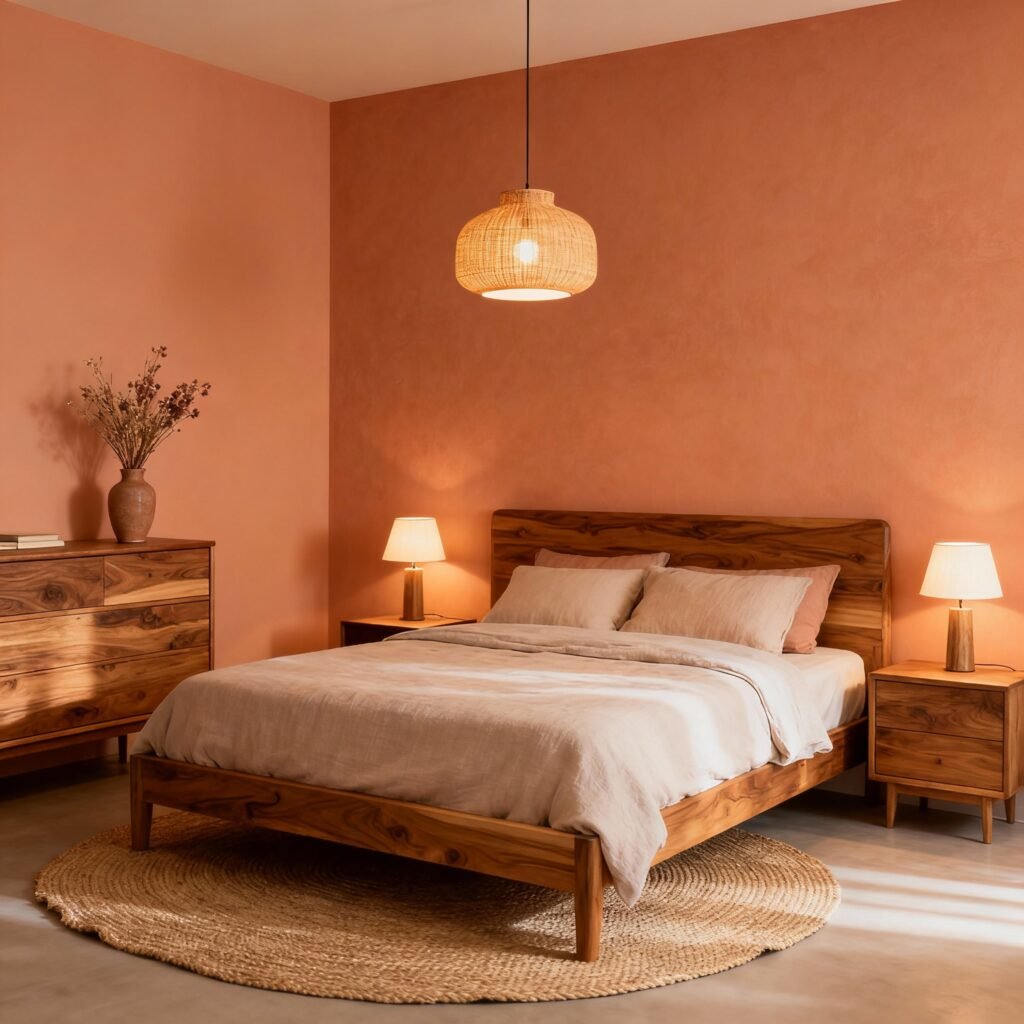
8. Burnt Orange: Bold and Contemporary
For those who want to make a statement, burnt orange adds warmth with confidence.
It’s bold yet balanced, adding richness to modern and traditional interiors alike.
Use it in:
- Accent walls or entryways to create a strong first impression
- Rooms with lots of natural light for a glowing effect
Pair it with white ceilings or neutral furnishings to keep it elegant.
9. Lighting Makes All the Difference
Even the warmest shade can feel dull if your lighting doesn’t match.
Always test paint colors under both natural daylight and artificial light before finalizing.
- Use warm white LED lights instead of cool ones to maintain a cozy tone.
- Avoid mixing too many light temperatures in one space.
Remember, the same color can look completely different under various lighting conditions — always sample before painting.
10. Plan Your Paint Budget Wisely
Many homeowners overspend on paint brands or colors without realizing that good planning can save both money and effort.
Before buying, calculate your approximate paint requirement using the Construction Cost Calculator.
It gives you a clearer picture of your total finishing cost, including paint, primer, and labor.
Good planning ensures you invest smartly — in both color and quality.
Final Takeaway
Choosing the best wall paint colors to make your home feel warm isn’t just about picking a shade you like — it’s about understanding your space, light, and mood.
Warm tones like terracotta, beige, mustard, or peach make any house feel more lived-in, while modern neutrals like greige offer warmth with elegance.
Combine these with the right lighting, natural materials, and thoughtful planning — and you’ll create a home that not only looks beautiful but feels like it hugs you every day.