Every homeowner dreams of building a beautiful home within budget — yet most end up spending far more than expected. The good news is, it’s possible to save money in construction without reducing quality or durability.
Overspending usually happens due to poor planning, unplanned design changes, or selecting materials based on looks rather than function. But with the right planning, the right materials, and the right mindset, you can build a cost-efficient home that lasts for decades.
Here are practical, research-backed ways to save money in construction without compromising quality.
1. Start With a Phase-Wise Budget Plan
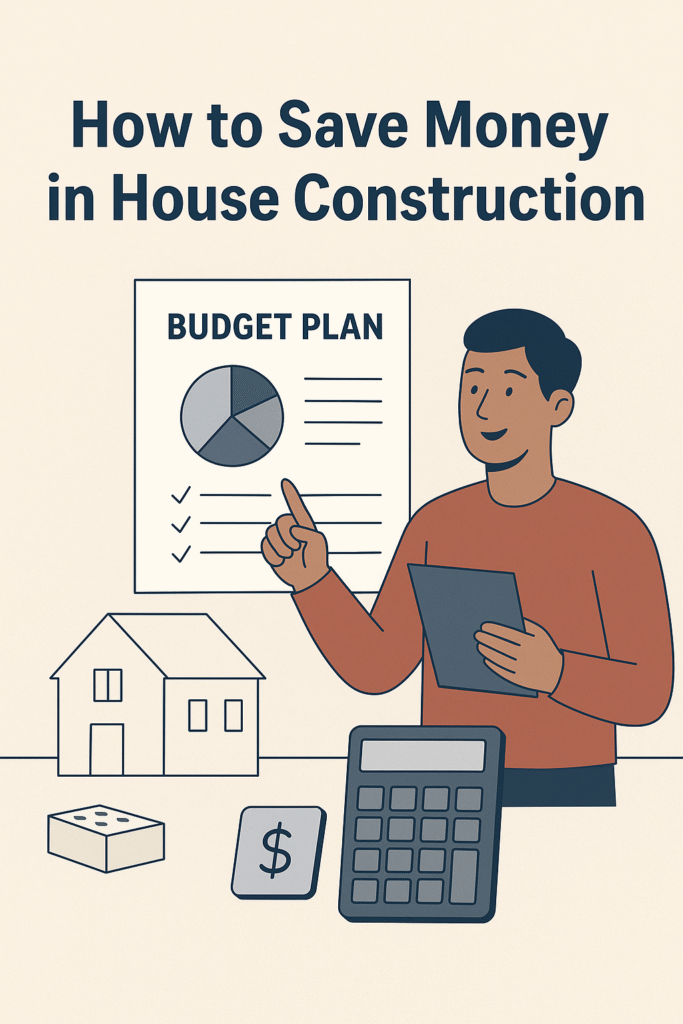
The first and most important step to save money in construction is having a proper budget plan. Break down your total cost into key phases — foundation, structure, plastering, flooring, electrical, plumbing, and finishing.
Use the Construction Cost Calculator to estimate a realistic total and phase-wise breakdown. This helps you understand where your money goes and keeps the project financially controlled.
Add a small buffer (10–15%) for unexpected expenses like price fluctuations or last-minute adjustments. Smart planning prevents costly surprises later.
2. Choose Value-Driven Materials
Choosing the right material doesn’t mean choosing the most expensive one. A quality product performs well, fits your climate, and lasts longer.
For example:
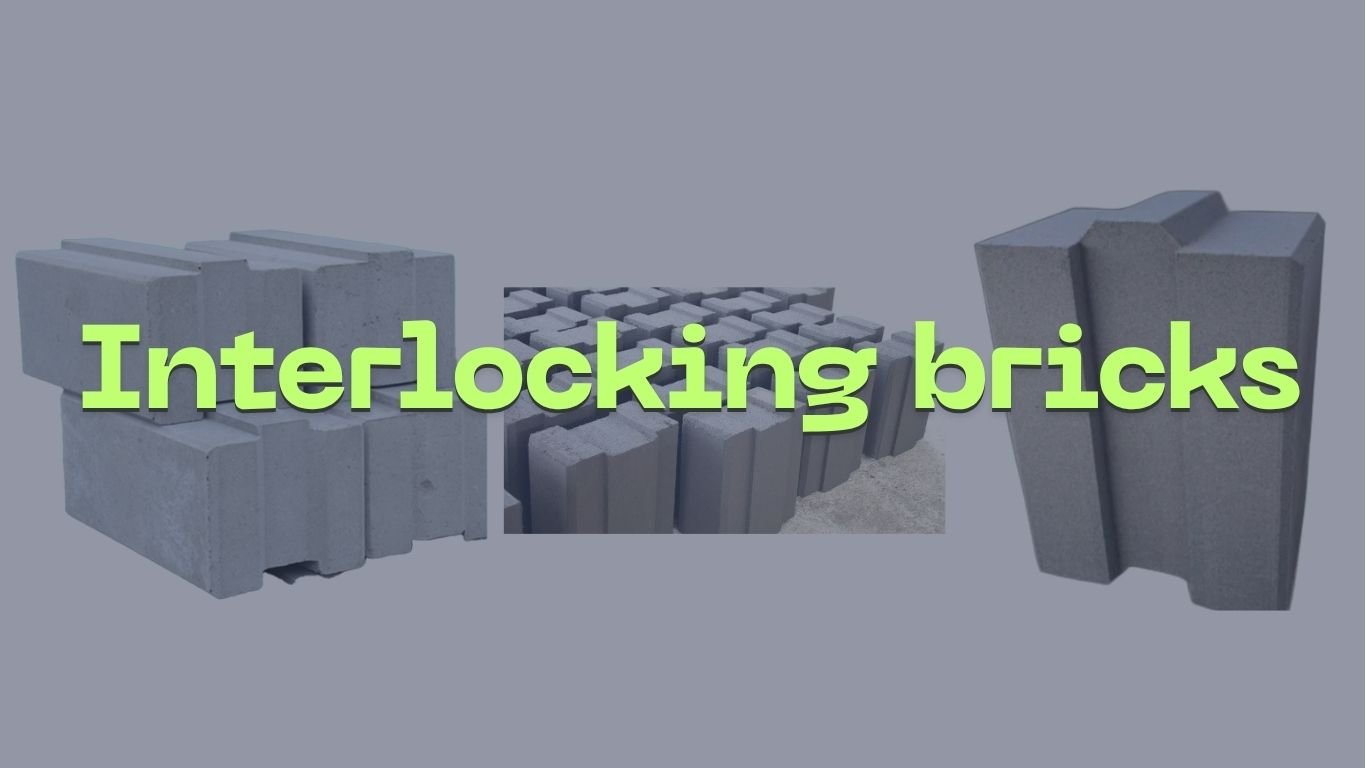
- Fly ash bricks or AAC blocks are more cost-efficient than traditional red bricks.
- Local stone tiles can replace imported ones with similar durability.
- Cement-based paints offer longer life compared to cheaper emulsions.
Good engineers always balance cost, performance, and sustainability — that’s how you maintain quality while staying within budget.
3. Hire Experts Early
Hiring an architect or structural engineer is not an expense — it’s an investment. Professionals help you avoid structural errors, reduce material waste, and optimize your design.
A well-engineered layout can reduce concrete and steel usage by 10–15%, directly helping you save money in construction while maintaining safety and stability.
Think of it as insurance for your project’s quality.
4. Avoid Mid-Construction Changes
Every layout change after work begins multiplies costs. Moving a wall or shifting plumbing lines after concreting means demolition, extra labour, and wasted materials.
Finalize your plans completely before starting the foundation. Consistency saves time, materials, and frustration.
5. Optimize Structure Design
Many assume thicker slabs or bigger columns mean stronger buildings. But real strength lies in good engineering. Over-designed structures waste materials unnecessarily.
A structural engineer can design safe, optimized sections that reduce steel and concrete costs without affecting stability — a real win for both safety and savings.
6. Invest in Waterproofing and Plumbing
Don’t cut corners on waterproofing and plumbing. Cheaper products may save a few thousand today but cost lakhs in repair later.
Quality waterproofing in foundations, bathrooms, and terraces keeps your structure strong and prevents long-term damage.
Using ISI-marked pipes and fittings ensures reliability and durability.
Long-lasting quality is the biggest form of savings.
7. Supervise Construction Regularly
Poor workmanship leads to cracks, leaks, and uneven finishes — all of which waste money.
If you can’t be present daily, visit at least twice a week or hire a part-time site supervisor.
Regular inspection ensures proper material use, correct curing, and adherence to design, preventing hidden losses.
8. Build in Phases if Needed
If your budget is tight, complete essential areas first — like structure, roof, and primary interiors — and finish decorative elements later.
Plan future expansion at the design stage so that future work doesn’t damage the existing structure. This staged approach helps save money in construction while staying practical.
9. Focus on Energy-Efficient Design
Energy-efficient homes reduce long-term costs.
Use natural ventilation, cross airflow, and proper window placement to reduce the need for air conditioning.
Lighter-colored paints and reflective terrace coatings minimize heat absorption.
Smart design reduces electricity consumption — a long-term form of saving.
10. Track Every Expense
Small purchases like extra cement bags, wires, or paints often go unrecorded, but collectively they form a large hidden expense.
Maintain a construction expense log or use a mobile app to track spending.
Transparency brings financial control.
11. Balance Interiors with Functionality
It’s easy to get carried away by luxury interiors, but practical design brings real comfort.
Focus on good ventilation, durable flooring, and efficient layouts before spending on decor.
Prioritize what adds long-term value — wiring, plumbing, and structure — over short-lived aesthetics.
Final Takeaway
To truly save money in construction, you don’t need to compromise quality. You only need better planning, smarter decisions, and regular supervision.
Good homes are built twice — first on paper, then on site. The more you plan the first one, the less you’ll pay for the second.
Build thoughtfully, spend wisely, and your home will reflect both your dreams and your discipline.